

Conditions
Chronic kidney disease, protein and blood in the urine, kidneys in diabetes and high blood pressure, kidney stones, and preparing for dialysis and transplant, each explained in plain language.
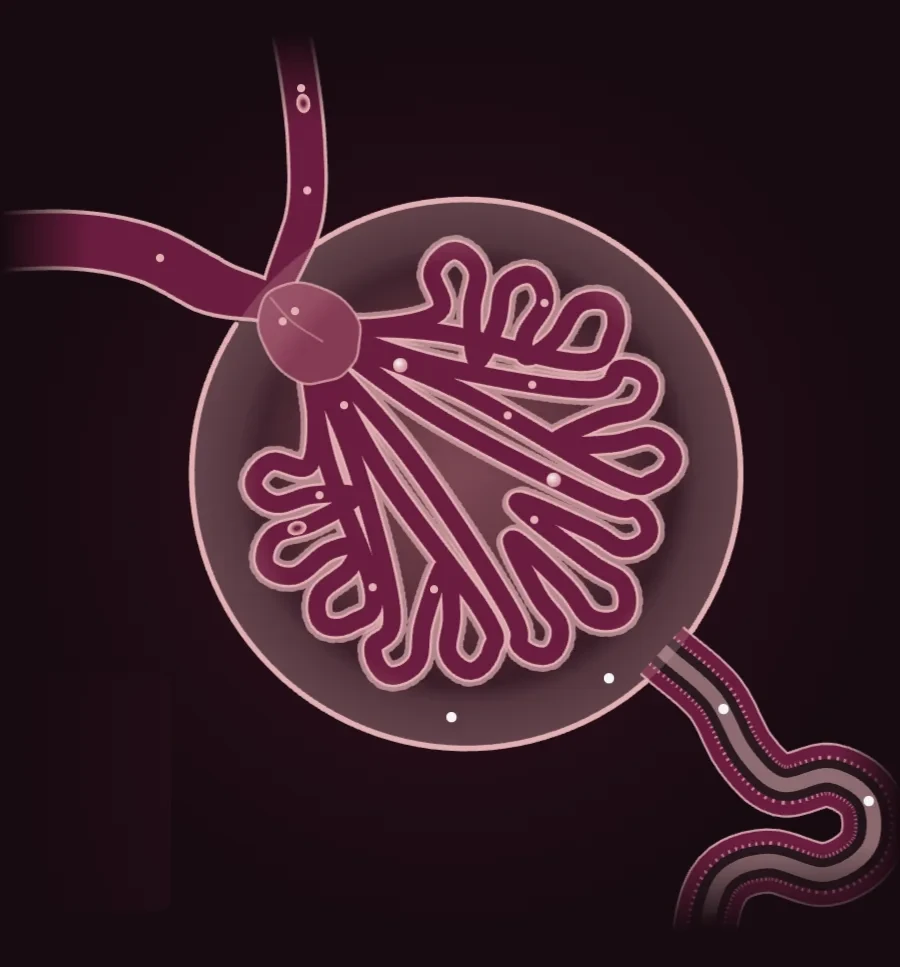
Chronic kidney disease and kidney failure
Chronic kidney disease means the kidneys have been damaged, or have worked below normal, for a long time, at least three months. Most of the time it has no symptoms and only blood and urine tests show it. This page explains what the stages mean, how it is assessed and what helps slow it down.
Read moreProtein or blood in the urine
Protein or blood in the urine is not always a serious illness, but sometimes it is the first sign of damage to the kidney's filters (the glomeruli). This page explains what these findings mean, which tests settle the question, what nephrotic syndrome is and when to act quickly.
Read moreKidneys in diabetes and high blood pressure
Diabetes and high blood pressure are leading causes of chronic kidney disease, and kidney disease itself raises blood pressure. This page explains why a yearly kidney test is needed, what treatment-resistant blood pressure means and what a patient can do to protect the kidneys.
Read moreKidney stones: finding the cause and preventing them
Kidney stones are common, and after one stone another becomes more likely. This page explains how stones form and what they are made of, what finding the cause and prevention involve, and where the work of the urologist and the nephrologist divides.
Read morePreparing for dialysis and transplant
If kidney disease advances, dialysis or a kidney transplant may become necessary. Getting to know the options early gives you time to decide with a clearer mind. This page is educational only and covers the types of dialysis, transplant, care without dialysis and practical preparation.
Read more
The full patient guide
What to prepare for the first visit, what kidney tests mean and when to call urgently.